🌟Festive Offer – Rs 399 Session🌟 | Call us at +91 81465 77145 For Details
Social isolation refers to a state of being disconnected from social relationships, networks, and activities. It can occur when individuals lack access to supportive relationships or are prevented from engaging in social interactions due to various factors such as physical distance, discrimination, or health conditions.
Social isolation can have a significant impact on the well-being of LGBTQ individuals. LGBTQ individuals may experience social isolation due to discrimination, harassment, and rejection from family members, peers, and communities. This can lead to feelings of loneliness, depression, anxiety, and a decreased sense of belonging.


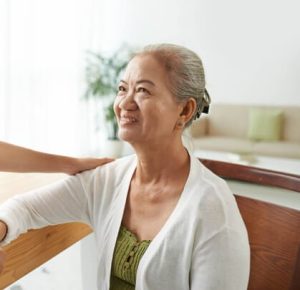

Social isolation can affect anyone, but some groups are more at risk than others. This includes older adults, individuals with disabilities, those who identify as LGBTQ, people living in poverty, and those living in rural areas.
It’s understandable to feel afraid that people won’t accept you if you come out, but it’s important to remember that you are deserving of love and acceptance, regardless of your gender identity or sexual orientation. Coming out can bring a sense of relief, authenticity, and connection to your community, and there are resources and support available, such as LGBTQ+ organizations, support groups, and mental health professionals, who can provide assistance and guidance throughout the process. Ultimately, it’s up to you to decide if and when to come out, but know that there are people and communities that will accept and support you for who you are.
A: Strategies for coping with social isolation can include developing a social support network, participating in social activities or groups, practicing self-care and mindfulness, engaging in physical activity, and seeking professional help if needed.
Please note that our services are not intended for crisis intervention. If you are experiencing severe symptoms or have thoughts of harming yourself, we strongly encourage you to seek immediate medical assistance or contact a suicide prevention helpline such as the Vandrevala Foundation 24×7 Helpline at +91-9999666555.
In addition, we recommend visiting the nearest hospital or emergency room, and involving a close family member or friend who can offer support during this time. Remember, it’s important to take care of your mental health and seek professional help when needed.
Please note that our services are not intended for crisis intervention. If you are experiencing severe symptoms or have thoughts of harming yourself, we strongly encourage you to seek immediate medical assistance or contact a suicide prevention helpline such as the Vandrevala Foundation 24×7 Helpline at +91-9999666555.
In addition, we recommend visiting the nearest hospital or emergency room, and involving a close family member or friend who can offer support during this time. Remember, it’s important to take care of your mental health and seek professional help when needed.
